The Editor’s Take – By Nicolas Block, Founder & Editor-in-Chief of Interior PULP
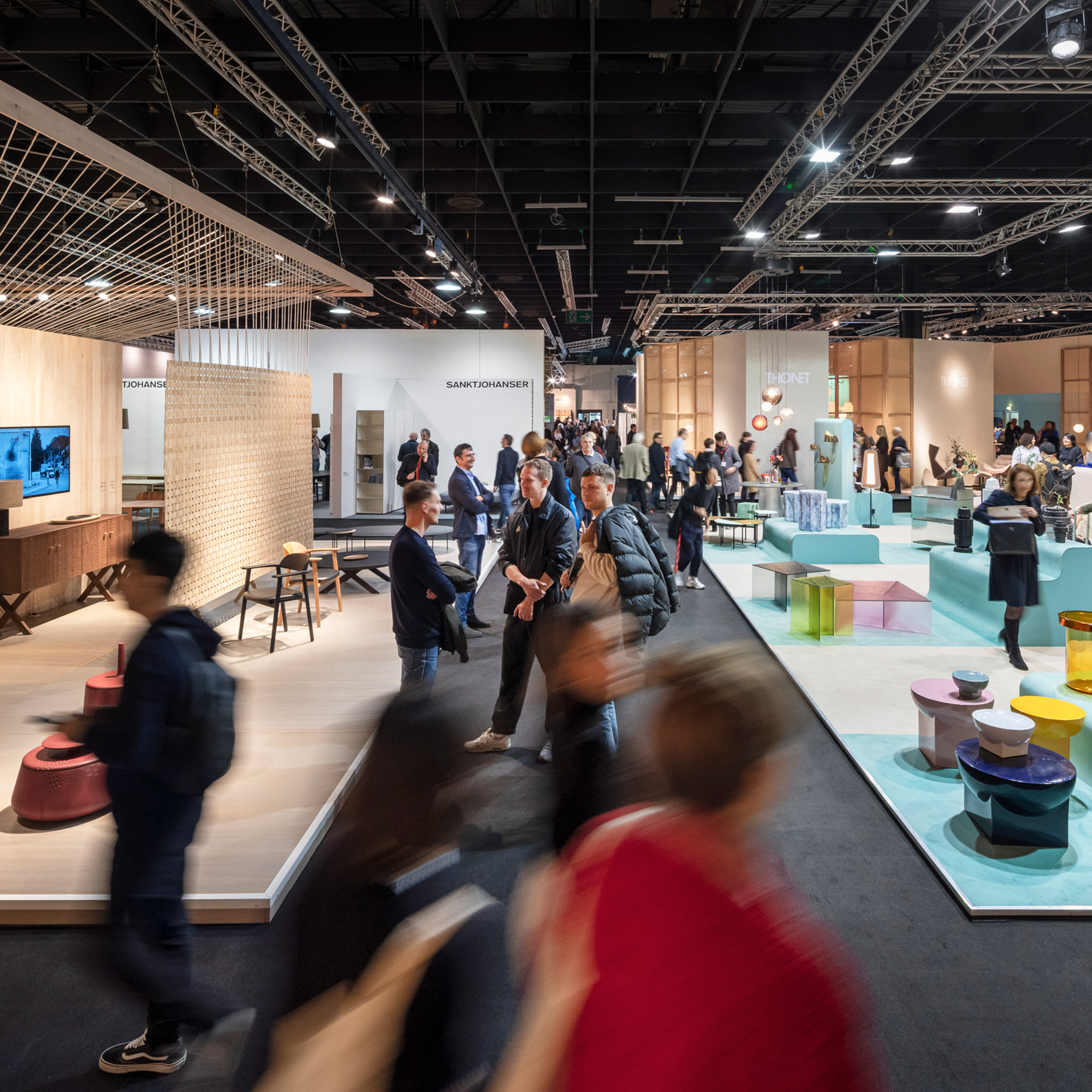
Why are the design fairs we have known for decades struggling to stay relevant? IMM Cologne recently announced that, despite its relaunch earlier this year, it will not be organising a new edition in 2027 due to insufficient exhibitor interest. Orgatec, Germany’s leading trade fair for contract and office furniture, has also scaled back significantly, reducing its exhibition space to just two halls and attracting fewer visitors. The traditional trade fair model is clearly under pressure. Other established events, such as Interieur in Kortrijk, have disappeared, while Maison&Objet in Paris has undergone significant changes to its concept and positioning.
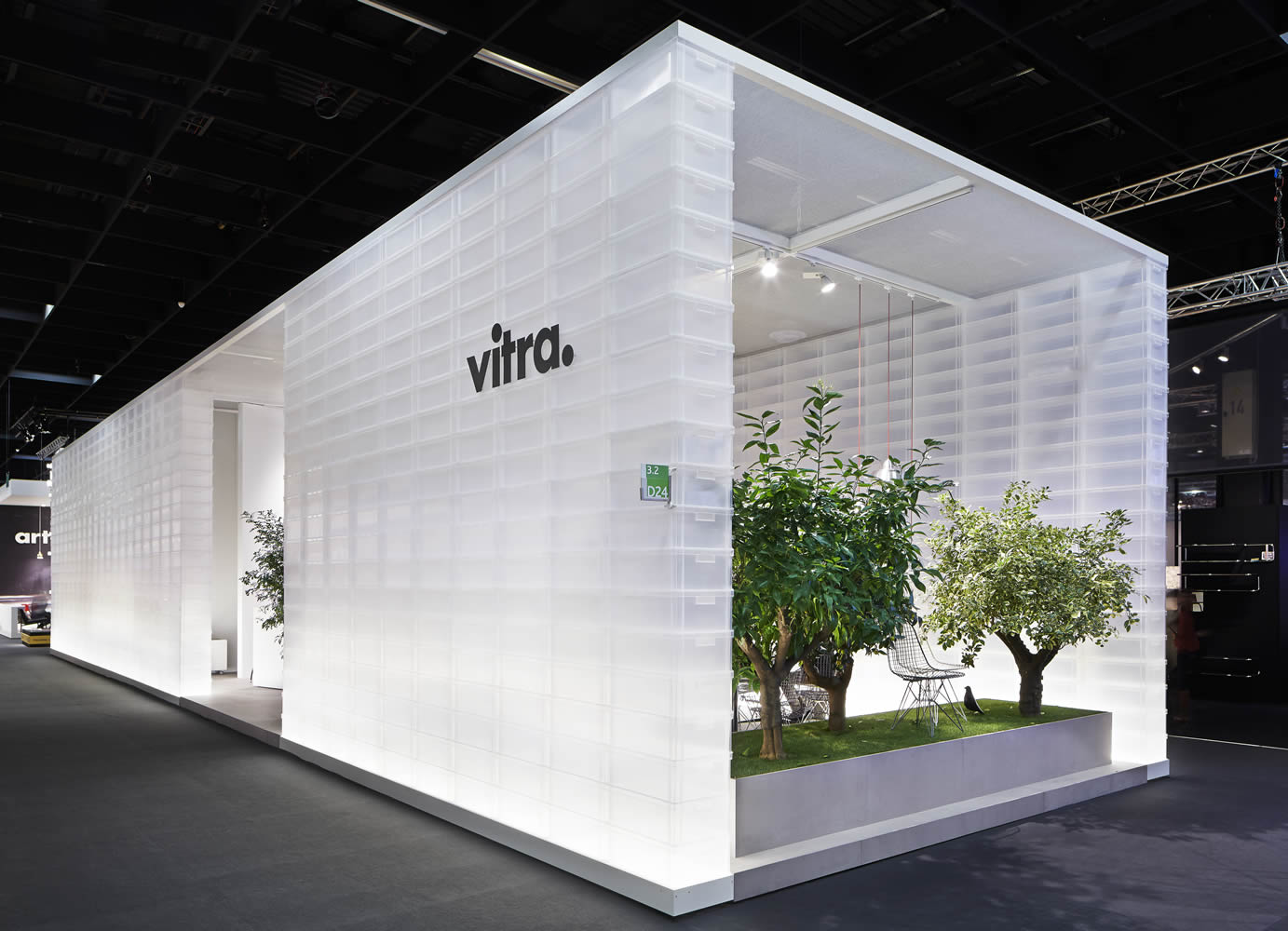
So, what exactly is happening? Digitalisation is an obvious part of the answer, but it certainly doesn’t tell the whole story. More than four years after the pandemic, one thing has become clear: nothing quite replaces meeting people face to face. A quick email or online presentation simply doesn’t have the same impact as a real-life encounter. Perhaps we’ve grown tired of the traditional exhibition stand: three walls, a few spotlights and a collection of products. Maybe. At least when that’s all there is to it. Because events such as Milan Design Week and 3 Days of Design in Copenhagen are thriving like never before. This tells us something important: professionals still want to meet, discover and be inspired, but they expect more from the experience. A great destination, meaningful connections and exciting discoveries. Spending three days simply walking up and down exhibition halls no longer cuts it.
And then there’s the cost factor. Flights, hotels, restaurants and everything in between have become considerably more expensive. As a result, professionals are becoming more selective about which events they attend. And if they’re going to invest the time and money, they want the experience to be worthwhile – professionally and personally. It’s no coincidence that Milan and Copenhagen have become such popular destinations. Beyond the professional programme, both cities offer an incredible mix of gastronomy, design, architecture and culture. The trade fair is no longer the entire destination; it’s just one part of a much bigger experience.
I firmly believe in the future of trade fairs as places to connect, exchange ideas and discover what’s next. But the traditional model, as we’ve known it for decades, is no longer enough. The future belongs to events that offer more than exhibition space: they need to create experiences, build communities and give professionals a genuine reason to show up.